
Reading Jesus Right
The Gospel of Luke is plenty of fun to read, especially since he doesn’t present theology as a list of abstract propositions. He does theology by telling a story. And few passages show this more beautifully than Luke 24:13–35, the account of the risen Jesus’ encounter with two disciples on the road to Emmaus.
This story is more than a post‑resurrection appearance. It is a masterclass in how to read Scripture. And how not to read Jesus. On the road to Emmaus, we see the difference between reading Jesus wrongly and reading him rightly. And in that difference lies the difference between dashed hopes and burning hearts.
A Walk Filled with Disappointment
The scene opens with two disciples—one named Cleopas and the other unnamed—walking from Jerusalem to Emmaus, a village about seven miles away. It’s not a long journey, but emotionally it must have felt endless. Only days earlier, these disciples had watched their hopes collapse under the weight of a Roman cross. Jesus of Nazareth, the man they believed was the one to redeem Israel, had been crucified.
As they walk and talk, a stranger joins them. Luke tells us that their eyes were “kept from recognizing him.” The stranger asks what they are discussing, and the disciples stop in their tracks, sadness written all over their faces. Cleopas responds with incredulity: Are you the only one in Jerusalem who doesn’t know what’s happened here?
The irony is thick. They say that Jesus’ body was missing from the tomb—“but him they did not see.” And yet Jesus himself is walking right beside them, unseen and unrecognized. Luke allows the tension to build deliberately. The disciples are physically close to Jesus, but theologically distant from him.
Reading Jesus Wrong
The disciples’ summary of recent events is telling. They describe Jesus as a prophet, mighty in word and deed, approved by God and admired by the people. So far, so good. But everything turns on one haunting sentence: “But we had hoped that he was the one to redeem Israel.”
That single line reveals their problem. Their hope wasn’t misplaced—it was misinterpreted.
They expected redemption to look like liberation from Rome. They assumed the Messiah would restore Israel’s political fortunes, overthrow pagan rulers, and establish national dominance. A crucified Messiah shattered those expectations completely. In their worldview, crucifixion didn’t just mean death—it meant failure. If Jesus had been truly God’s chosen deliverer, he would not have ended up on a Roman cross.
This is why the resurrection reports sounded like nonsense to them. Even when they heard that the tomb was empty and that angels proclaimed Jesus was alive, they had no category for such news. Resurrection made no sense within the story they were telling themselves about God, Israel, and redemption. Their mistake wasn’t that they hoped in Jesus. Their mistake was that they read Jesus through the wrong story.
A Messiah Who Must Suffer
Jesus’ response is sharp but merciful: “O foolish ones, and slow of heart to believe all that the prophets have spoken!” His rebuke isn’t aimed at their lack of information, but at their selective reading of Scripture.
They believed the prophecies about glory and victory. They ignored—or misunderstood—the prophecies about suffering. They wanted a Messiah who would reign, not one who would suffer and die. But Jesus insists that suffering isn’t an unfortunate detour in God’s plan—it’s the very road God chose.
“Was it not necessary that the Christ should suffer these things and enter into his glory?” The word "necessary" matters. The cross was not an accident. It was not a temporary setback. It was central to God’s redemptive purpose.
And so Jesus does something extraordinary. Beginning with Moses and continuing through all the prophets, he interprets the Scriptures as a unified story pointing to himself. This wasn’t a quick lesson built on a few messianic proof‑texts. It was a sweeping re‑telling of Israel’s entire story—creation, covenant, exile, promise, and hope—now seen in the light of the cross and resurrection.
The disciples had been living inside the wrong narrative. Jesus rewrites the story for them, not by inventing something new, but by showing them what had been there all along.
Reading Jesus Right
To read Jesus rightly is to read Scripture canonically—to see the whole biblical story as converging on and climaxing in him. Jesus is not merely a character within Israel’s story; he is its fulfillment. The redeeming God of Israel has stepped into the story in the flesh.
This is why Jesus doesn’t reveal his identity immediately. Recognition without understanding would not have been enough. The disciples needed their imaginations reshaped. They needed to see that God’s victory comes through suffering love, not political domination. That redemption comes through self‑giving sacrifice, not crusading power.
When Jesus finally opens the Scriptures to them, their despair begins to lift. Hope returns—not the kind of hope grounded in national ambition, but a deeper hope rooted in God’s faithfulness and self‑revealing love.
Later, after Jesus breaks bread with them and vanishes from their sight, the disciples reflect on the experience: “Did not our hearts burn within us while he talked to us on the road, while he opened to us the Scriptures?”
Burning hearts replace broken dreams. Amazing.
A Pattern for the Church
The Emmaus encounter became paradigmatic for the early church. The risen Christ is revealed through Scripture rightly read. And Scripture is rightly read when it is read through the lens of Jesus’ life, death, and resurrection. The early Christians learned to read the Old Testament differently—not as a collection of detached predictions, but as a coherent, unfolding story that finds its meaning in Christ. They discovered that Jesus didn’t just fulfill isolated verses; he fulfilled the narrative itself.
This is still a challenge for us today. We often bring our own expectations, political hopes, and cultural assumptions to Jesus. When he doesn’t meet them, we risk disappointment, cynicism, or disbelief. Like the Emmaus disciples, we may walk away from Jerusalem convinced that the story has ended badly.
But Jesus still walks alongside us. He still opens the Scriptures. And if we’re willing to let him correct our reading, our hearts may yet burn within us.
Learning from the Emmaus Road
The road to Emmaus teaches us that it is possible to know a great deal about Jesus and still misunderstand him deeply. It reminds us that faith is not merely about affirming facts—like an empty tomb—but about learning how those facts fit into God’s story.
To read Jesus rightly requires patience, humility, and a willingness to let Scripture challenge our assumptions. It means reading backwards and forwards—seeing how Israel’s story leads to Jesus and how Jesus redefines Israel’s story.
The greatest story ever told is the one in which the hero dies for the villains. And until we grasp that truth, we will always be in danger of reading Jesus wrong. But when we learn to read him rightly—through Moses, the prophets, the cross, and the empty tomb—we may find ourselves transformed, sent back into the world with burning hearts and renewed hope.
This story is more than a post‑resurrection appearance. It is a masterclass in how to read Scripture. And how not to read Jesus. On the road to Emmaus, we see the difference between reading Jesus wrongly and reading him rightly. And in that difference lies the difference between dashed hopes and burning hearts.
A Walk Filled with Disappointment
The scene opens with two disciples—one named Cleopas and the other unnamed—walking from Jerusalem to Emmaus, a village about seven miles away. It’s not a long journey, but emotionally it must have felt endless. Only days earlier, these disciples had watched their hopes collapse under the weight of a Roman cross. Jesus of Nazareth, the man they believed was the one to redeem Israel, had been crucified.
As they walk and talk, a stranger joins them. Luke tells us that their eyes were “kept from recognizing him.” The stranger asks what they are discussing, and the disciples stop in their tracks, sadness written all over their faces. Cleopas responds with incredulity: Are you the only one in Jerusalem who doesn’t know what’s happened here?
The irony is thick. They say that Jesus’ body was missing from the tomb—“but him they did not see.” And yet Jesus himself is walking right beside them, unseen and unrecognized. Luke allows the tension to build deliberately. The disciples are physically close to Jesus, but theologically distant from him.
Reading Jesus Wrong
The disciples’ summary of recent events is telling. They describe Jesus as a prophet, mighty in word and deed, approved by God and admired by the people. So far, so good. But everything turns on one haunting sentence: “But we had hoped that he was the one to redeem Israel.”
That single line reveals their problem. Their hope wasn’t misplaced—it was misinterpreted.
They expected redemption to look like liberation from Rome. They assumed the Messiah would restore Israel’s political fortunes, overthrow pagan rulers, and establish national dominance. A crucified Messiah shattered those expectations completely. In their worldview, crucifixion didn’t just mean death—it meant failure. If Jesus had been truly God’s chosen deliverer, he would not have ended up on a Roman cross.
This is why the resurrection reports sounded like nonsense to them. Even when they heard that the tomb was empty and that angels proclaimed Jesus was alive, they had no category for such news. Resurrection made no sense within the story they were telling themselves about God, Israel, and redemption. Their mistake wasn’t that they hoped in Jesus. Their mistake was that they read Jesus through the wrong story.
A Messiah Who Must Suffer
Jesus’ response is sharp but merciful: “O foolish ones, and slow of heart to believe all that the prophets have spoken!” His rebuke isn’t aimed at their lack of information, but at their selective reading of Scripture.
They believed the prophecies about glory and victory. They ignored—or misunderstood—the prophecies about suffering. They wanted a Messiah who would reign, not one who would suffer and die. But Jesus insists that suffering isn’t an unfortunate detour in God’s plan—it’s the very road God chose.
“Was it not necessary that the Christ should suffer these things and enter into his glory?” The word "necessary" matters. The cross was not an accident. It was not a temporary setback. It was central to God’s redemptive purpose.
And so Jesus does something extraordinary. Beginning with Moses and continuing through all the prophets, he interprets the Scriptures as a unified story pointing to himself. This wasn’t a quick lesson built on a few messianic proof‑texts. It was a sweeping re‑telling of Israel’s entire story—creation, covenant, exile, promise, and hope—now seen in the light of the cross and resurrection.
The disciples had been living inside the wrong narrative. Jesus rewrites the story for them, not by inventing something new, but by showing them what had been there all along.
Reading Jesus Right
To read Jesus rightly is to read Scripture canonically—to see the whole biblical story as converging on and climaxing in him. Jesus is not merely a character within Israel’s story; he is its fulfillment. The redeeming God of Israel has stepped into the story in the flesh.
This is why Jesus doesn’t reveal his identity immediately. Recognition without understanding would not have been enough. The disciples needed their imaginations reshaped. They needed to see that God’s victory comes through suffering love, not political domination. That redemption comes through self‑giving sacrifice, not crusading power.
When Jesus finally opens the Scriptures to them, their despair begins to lift. Hope returns—not the kind of hope grounded in national ambition, but a deeper hope rooted in God’s faithfulness and self‑revealing love.
Later, after Jesus breaks bread with them and vanishes from their sight, the disciples reflect on the experience: “Did not our hearts burn within us while he talked to us on the road, while he opened to us the Scriptures?”
Burning hearts replace broken dreams. Amazing.
A Pattern for the Church
The Emmaus encounter became paradigmatic for the early church. The risen Christ is revealed through Scripture rightly read. And Scripture is rightly read when it is read through the lens of Jesus’ life, death, and resurrection. The early Christians learned to read the Old Testament differently—not as a collection of detached predictions, but as a coherent, unfolding story that finds its meaning in Christ. They discovered that Jesus didn’t just fulfill isolated verses; he fulfilled the narrative itself.
This is still a challenge for us today. We often bring our own expectations, political hopes, and cultural assumptions to Jesus. When he doesn’t meet them, we risk disappointment, cynicism, or disbelief. Like the Emmaus disciples, we may walk away from Jerusalem convinced that the story has ended badly.
But Jesus still walks alongside us. He still opens the Scriptures. And if we’re willing to let him correct our reading, our hearts may yet burn within us.
Learning from the Emmaus Road
The road to Emmaus teaches us that it is possible to know a great deal about Jesus and still misunderstand him deeply. It reminds us that faith is not merely about affirming facts—like an empty tomb—but about learning how those facts fit into God’s story.
To read Jesus rightly requires patience, humility, and a willingness to let Scripture challenge our assumptions. It means reading backwards and forwards—seeing how Israel’s story leads to Jesus and how Jesus redefines Israel’s story.
The greatest story ever told is the one in which the hero dies for the villains. And until we grasp that truth, we will always be in danger of reading Jesus wrong. But when we learn to read him rightly—through Moses, the prophets, the cross, and the empty tomb—we may find ourselves transformed, sent back into the world with burning hearts and renewed hope.
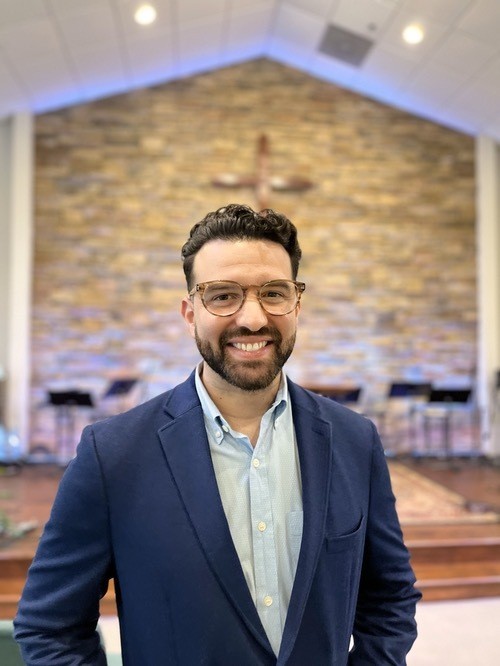
Rev. Mike Hernández serves as the senior pastor of Crossroads Presbyterian Church. He is currently pursuing a Doctor of Ministry (D.Min.) at Reformed Theological Seminary Orlando and is a member of the National Association of Scholars. He has written for The Gospel Coalition and writes regularly for Gospel-Centered Discipleship. You can find him on Facebook here.
Share this post:

No Comments